How to Succeed in B2B & B2C Markets with Clinical-Grade 2% Hyaluronic Acid Serum
Introduction
The global skincare industry is undergoing a transformative shift, with consumer demand increasingly leaning toward science-backed, ingredient-focused products. One such hero ingredient that has earned its rightful place in both professional and personal skincare routines is Hyaluronic Acid (HA). Particularly, the clinical-grade 2% Hyaluronic Acid Serum is making headlines for its unmatched hydration, anti-aging, and skin-replenishing capabilities.
In this blog, we dive into the technical insights, current market landscape, and actionable strategies that can help brands and entrepreneurs succeed with this powerhouse product in both B2B (business-to-business) and B2C (business-to-consumer) segments.
What is Hyaluronic Acid & Why 2% Clinical Grade Matters
Hyaluronic Acid is a naturally occurring molecule in the human body that plays a key role in skin hydration, elasticity, and cellular regeneration. What sets the 2% clinical-grade variant apart is its high concentration and standardized molecular structure, offering maximum efficacy in moisture retention and skin barrier support.
A 2% concentration is often considered the upper limit for topical application, delivering intense hydration without overwhelming the skin. Clinical-grade quality ensures the serum is free from contaminants, stable across different temperatures, and maintains an ideal pH balance, usually between 5.0 to 6.0.
Another crucial factor is the molecular weight. High molecular weight (HMW) HA hydrates the skin's surface, while low molecular weight (LMW) HA penetrates deeper layers, offering long-lasting hydration and anti-aging benefits. The best formulations use a blend of both to ensure multi-layer efficacy.
Global Market Opportunity: Trends & Demand
According to market research, the global Hyaluronic Acid market was valued at approximately USD 10.73 billion in 2024 and is projected to reach USD 16.7 billion by 2030. The cosmetics and personal care segment accounts for a significant share of this market, with HA-based serums leading the charge.
Key drivers of growth include:
- Rising consumer preference for anti-aging and hydrating products
- Increased awareness of ingredient efficacy
- Expansion of online beauty retail and D2C brands
- Growing popularity of minimalist skincare routines
Regional Highlights:
- Asia-Pacific: Rapid growth due to increasing disposable income and K-beauty trends
- North America: High demand for clean, vegan, and dermatologist-tested products
- Europe: Strong regulatory frameworks encourage clinical-grade and sustainable formulations
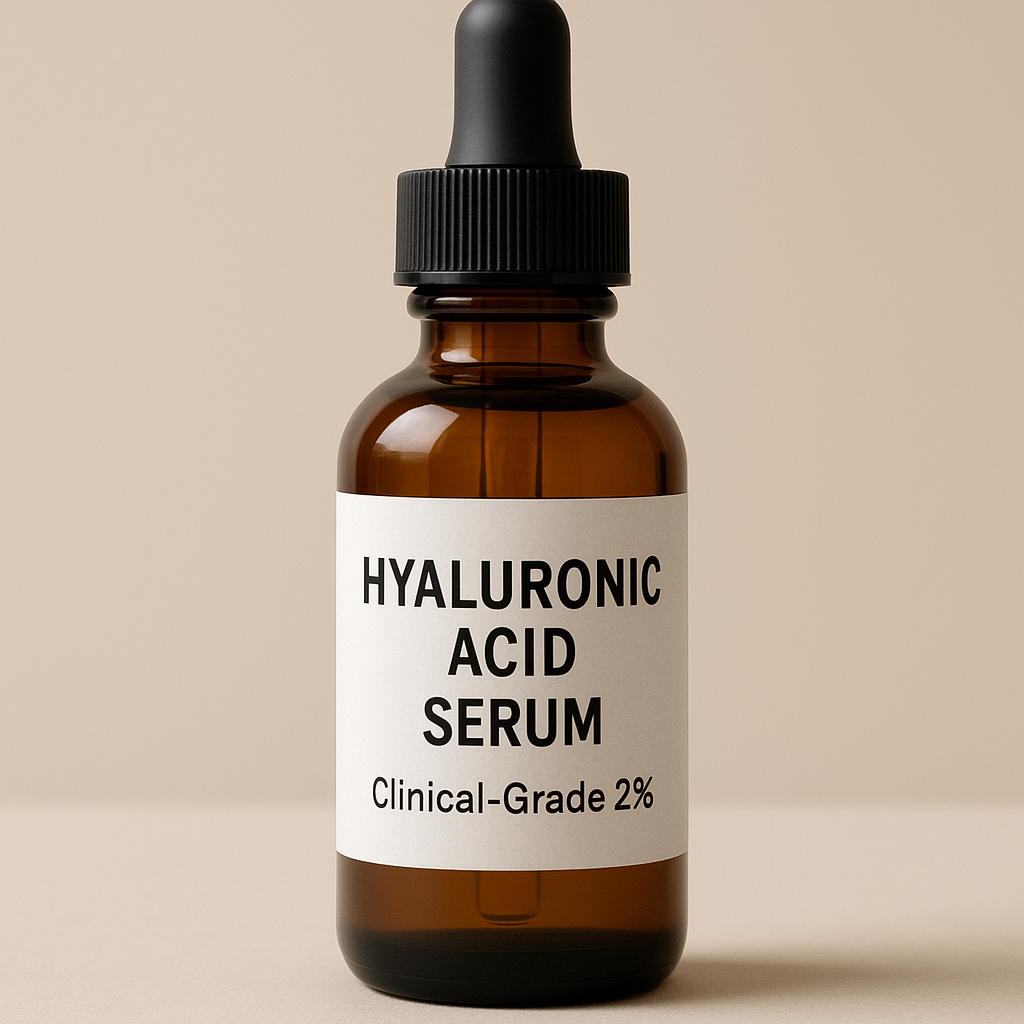
Technical & Product Specifications
To develop a product that stands out in a saturated market, the following specifications are essential:
1. Ingredient Purity:
- 2% Hyaluronic Acid (Sodium Hyaluronate preferred)
- Dual molecular weight (HMW + LMW)
- Preservatives like Ethylhexylglycerin or Phenoxyethanol
2. pH Level:
- Ideal between 5.0 and 6.0 for skin compatibility
3. Formulation Add-ons (optional):
- Vitamin B5 (Panthenol) for skin barrier
- Niacinamide for brightening
4. Packaging:
- UV-protected, airtight glass dropper bottles or pumps
- Tamper-proof seals and minimalist labeling
5. Testing:
- Dermatologically tested
- Stability tested (6–12 months)
- Microbial challenge testing
6. Regulatory Compliance:
- INCI-compliant ingredient list
- MSDS, CoA, GMP certifications
- Compliance with US FDA, EU Cosmetic Regulation, or India’s BIS standards
B2C Market Strategy: Reaching End-Consumers
In the B2C segment, building trust, education, and emotional connection with customers are key.
1. Product Positioning:
- Target demographics: 20–50 years, both men and women
- Benefits: Anti-aging, hydration, wrinkle reduction
- Claims: Clinical-grade, dermatologist-tested, vegan, cruelty-free
2. Pricing Strategy:
- Premium: If you're targeting high-end customers with clinical results
- Mid-range: For broader market appeal with clean, effective branding
3. Distribution Channels:
- D2C website with SEO-optimized landing pages
- E-commerce platforms (Amazon, Flipkart, Nykaa)
- Retail partnerships with pharmacies and cosmetic chains
4. Marketing & Branding:
- Influencer and dermatologist endorsements
- How-to videos and skin education blogs
- Instagram, YouTube, and Pinterest content
- Reviews, testimonials, and user-generated content
5. Customer Retention:
- Subscription plans
- Loyalty programs
- Refill or sustainability incentives
B2B Market Strategy: Wholesale, Private Label, and Export
The B2B opportunity is vast — spanning dermatology clinics, salons, spas, beauty brands, and even international wholesalers.
1. Ideal Clients:
- Skincare clinics looking for white-label solutions
- Salons and spas for in-treatment retail
- Wholesalers targeting international markets
- Retail brands seeking private label manufacturing
2. Offerings:
- Bulk supply in drums or gallons
- OEM/ODM services
- Custom packaging and branding
- Clinical trials or efficacy documentation support
3. Outreach Strategy:
- B2B platforms (use your own B2B site like exportimport.guru)
- Participation in cosmetic trade shows and B2B expos
- Email campaigns to beauty brands and resellers
- LinkedIn outreach and cold calling
4. Documentation for Export:
- IEC, AD Code, CoO, MSDS, GMP, Lab Reports
- Export packaging compliance (ISPM-15)
- HS Code classification (33049990 for skincare)
5. Trade Agreements:
- Utilize FTAs for reduced duties (e.g., India-EU FTA for cosmetics)
- Understand de minimis limits in key markets (e.g., US $800 threshold)
Export Logistics & Compliance
For international markets, ensure that your product complies with:
- Labeling norms: Bilingual labels, ingredient lists, expiry/manufacture dates
- Logistics: Cold chain or insulated packaging if needed
- Shelf life: Minimum 18–24 months preferred
- Incoterms: Start with FOB or CIF depending on buyer demand
- Certificates: FDA registration (for US), CE marking (for EU), HALAL (if targeting Islamic markets)
Challenges and How to Overcome Them
1. Formulation Stability:
- Use chelating agents and pH stabilizers to extend shelf life
2. Competition:
- Focus on unique claims like dual molecular weight, sustainable sourcing, clinical testing
3. Education:
- Consumers may not understand the value of 2% or clinical-grade — content marketing is key
4. Export Barriers:
- Understand sanitary and phytosanitary measures in target countries
Final Thoughts: Strategic Recommendations
Launching a clinical-grade 2% Hyaluronic Acid Serum offers immense potential in both domestic and global markets. With rising skincare awareness, demand for hydration-focused products, and increased online buying behavior, the timing is perfect.
Success in this space will depend on how well you:
- Formulate with quality and science
- Build trust through transparency and compliance
- Educate consumers and partners
- Use digital-first strategies for outreach and sales
Interested in launching or scaling your Hyaluronic Acid Serum business?
Start your Hyaluronic Acid Serum business and take them to international level today with expert support.
Chat with us directly on WhatsApp – [Click Here]
Discover more about us online – [Visit Now]
Learn More with BOAI – [CLICK HERE]
Tags: How to Import Clinical Grade 2 percentage Hyaluronic Acid Serum from India to Top Countries USA UAE Netherlands Singapore China